
The Allure of Risk and Reward
The allure of risk and reward is central to understanding the psychological dynamics of casino gambling. Players are often drawn in by the thrill of winning, which triggers a potent emotional response. This excitement is intricately linked to the brain’s reward system, where dopamine—a neurotransmitter associated with pleasure—is released during moments of success. This biochemical reaction creates a euphoric high, compelling players to continue betting in pursuit of instant withdrawal casino uk that next big win, even in the face of losses. This cycle of risk and reward serves as a powerful motivator, creating an addictive loop that keeps individuals returning to the gaming floor.
The unpredictable nature of gambling adds an additional layer of allure. Unlike investments that can be analyzed and assessed, casino games hinge on chance, making outcomes inherently uncertain. This unpredictability can be intoxicating, fostering a belief that luck might favor the player at any moment. Players often overestimate the likelihood of favorable outcomes while downplaying potential risks, further fueling gambling behavior. For example, a player who experiences a small win may interpret it as a sign of a “lucky streak,” reinforcing their urge to gamble again while disregarding the potential for significant financial loss.
Cognitive biases such as the gambler’s fallacy play a significant role in shaping gambling behavior. This fallacy leads individuals to believe that past events influence future outcomes, creating a false sense of security. Players might convince themselves that after a series of losses, a win is “due,” prompting them to gamble more to reclaim lost funds. This mindset, coupled with the thrill of risk-taking, constructs a complex psychological landscape that often leads individuals to make irrational decisions, particularly regarding their finances, reinforcing the cycle of gambling addiction.
The Social Environment of Gambling
The social environment within casinos significantly enhances the psychological experience of gambling. Many individuals are attracted to the communal atmosphere where shared excitement and tension create a unique social dynamic. This sense of belonging is particularly appealing to those who may feel isolated in their everyday lives. Interactions with fellow gamblers foster camaraderie and shared narratives, enriching the overall experience. Players often find joy in celebrating wins together or commiserating over losses, which can deepen their emotional investment in the activity.
Casinos are designed to encourage socialization through various means, such as complimentary drinks and entertainment options. This festive atmosphere can distract from the solitary nature of gambling, as players become immersed in the experience. Surrounded by others engaged in similar activities, individuals may lose track of time and their spending limits. The shared risks and collective excitement elevate the stakes of gambling, encouraging longer play sessions and larger bets. This social aspect enhances the thrill of the game, but it can also lead to reckless decision-making and financial consequences.
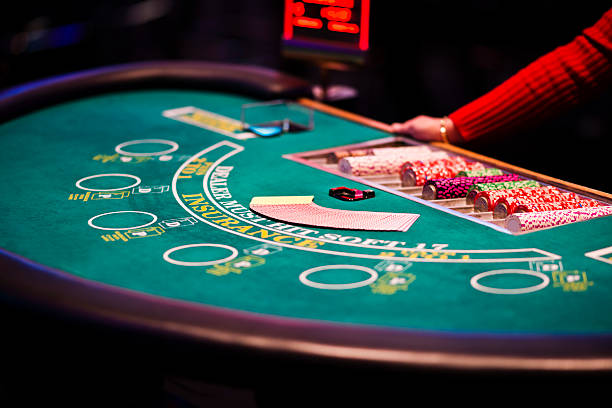
Interestingly, the influence of social interactions can compel players to engage in behaviors they might not consider when alone. The pressure to maintain enjoyment or social ties can lead to “chasing losses,” where individuals feel compelled to win back money lost in front of friends. This dynamic illustrates how the social aspects of gambling blur the lines between healthy fun and compulsive behavior, highlighting the profound impact of the casino environment on individual decision-making processes and the potential for addiction.
Addiction and Compulsive Behavior
The phenomenon of gambling addiction is one of the most concerning psychological aspects of casino gambling. Classified as a behavioral addiction, it mirrors substance abuse in that individuals struggle to control their gambling despite adverse consequences. Organizations dedicated to problem gambling report that millions of individuals face this addiction, often stemming from the same psychological triggers that initially draw them to casinos—the excitement of winning and the social connections made within that setting. As players become more entrenched in gambling culture, the risks can escalate rapidly.
Many people turn to gambling as a way to cope with underlying emotional challenges such as anxiety, depression, or stress. The temporary escape gambling provides can lead to neglecting responsibilities and relationships, creating a vicious cycle of isolation and loss. Initially exhilarating, the gambling experience can eventually become overshadowed by guilt and shame. As reliance on gambling deepens, individuals may find themselves in precarious financial situations, further intensifying their emotional turmoil and desperation, which can perpetuate their gambling behaviors.
Addressing the psychological mechanisms behind gambling addiction is essential for effective treatment. Cognitive-behavioral therapies focus on reshaping the thought patterns that contribute to compulsive gambling behavior. These therapies encourage individuals to recognize their triggers, develop healthier coping strategies, and establish boundaries regarding their gambling activities. Support groups also play a vital role by providing social connections and enabling individuals to share their experiences and recovery strategies, emphasizing the importance of community in overcoming addiction and promoting healthier behaviors.
The Role of Marketing and Casino Design
The marketing strategies and physical design of casinos are meticulously crafted to engage players on a psychological level. The vibrant colors, captivating sounds, and appealing scents within casinos are intentionally designed to heighten excitement and keep players entertained. This sensory overload can lead individuals to lose track of time and money, as they become absorbed in the environment. Additionally, strategically placed signage and enticing promotions draw players into the gaming area, highlighting the psychological manipulation involved in casino marketing.

A common tactic employed by casinos is the concept of “near misses,” where players experience a loss that feels almost like a victory. For instance, when a slot machine displays two winning symbols alongside one losing symbol, it evokes feelings of anticipation and excitement, prompting players to continue betting. This strategy exploits the brain’s response to perceived success, reinforcing the idea that a win is just around the corner and encouraging prolonged gambling sessions. Such techniques illustrate how deeply rooted psychological principles shape gambling behavior and influence decision-making.
Moreover, loyalty programs and rewards systems are designed to instill a sense of commitment among players. By offering incentives for frequent play, casinos capitalize on the psychological principles of commitment and consistency, encouraging players to return in pursuit of rewards. This not only enhances player loyalty but also increases overall spending. The interplay between marketing strategies, casino design, and psychological principles creates a fertile ground for gambling behavior, often leading players to undesirable financial outcomes, highlighting the need for awareness and education.
Understanding Gambling Through Educational Resources
To promote a healthier understanding of gambling and its psychological implications, various educational resources are available for players and their families. These resources aim to enlighten individuals about the potential risks and psychological factors associated with gambling, empowering them to make informed choices. Websites and organizations dedicated to gambling education provide insights into responsible gaming practices, offering tools to help players set personal limits and recognize signs of problematic behavior. Education serves as a crucial barrier against the risks of gambling addiction.
Educational materials often explore the psychology behind gambling, addressing topics such as cognitive biases and emotional triggers. By understanding the psychological mechanisms that influence gambling behavior, individuals can gain insight into their tendencies and take proactive steps to mitigate risks. These resources can also facilitate important conversations about gambling within families, fostering awareness and open communication concerning the impacts of gambling, particularly for vulnerable individuals who might be more susceptible to addiction.
Ultimately, cultivating a culture of awareness around gambling can promote healthier behaviors and prevent addiction. Workshops, seminars, and online courses equip individuals with knowledge about responsible gambling practices and coping strategies to resist impulsive behaviors. Encouraging self-assessment and fostering an understanding of personal limits can create a more informed gambling community, allowing individuals to enjoy the entertainment value of casinos without crossing into detrimental territory and ensuring that gambling remains a form of recreation rather than a source of hardship.